


OPENING INSIGHT
Q1 2026 marked a decisive structural shift in Nigeria’s fintech ecosystem — from growth‑at‑all‑costs to governance, regulatory discipline, institutional resilience, and infrastructure depth as the primary determinants of success.
Nigeria’s macroeconomic backdrop improved significantly in early 2026. Nigeria’s gross external foreign exchange reserves rose to about $50.45 billion according to widely circulated industry reports, reflecting strengthened external buffers and confidence in policy reforms.
Industry structural data show that nearly 11 billion transactions were processed on the real‑time NIBSS Instant Payments platform in 2024, underlining Nigeria’s advanced digital payments infrastructure while highlighting persistent financial exclusion gaps.
Across regulation, capital requirements, risk management, and technology deployment, three major themes — compliance, capital structure, and technological depth — have coalesced to shape the competitive landscape.
MAJOR THEMES
1. Regulation Is a Competitive Filter
Regulators have shifted from reactive guidance to proactive enforcement and shaping of the fintech landscape:
The Central Bank of Nigeria (CBN) has formally announced the integration of AI‑powered anti‑money‑laundering requirements, mandating automated AML systems across banks and fintechs to detect financial crime at scale.
CBN has tightened account-opening protocols, including liveness checks and BVN/NIN validation, to strengthen onboarding controls and combat digital fraud.
Fintech operating licences for major players like OPay and Moniepoint were upgraded to national status, signalling regulatory validation for scaling platforms.
Implication: Compliance is now a market access requirement, not just a cost. Platforms without robust regulatory frameworks risk delayed approvals or enforcement actions.
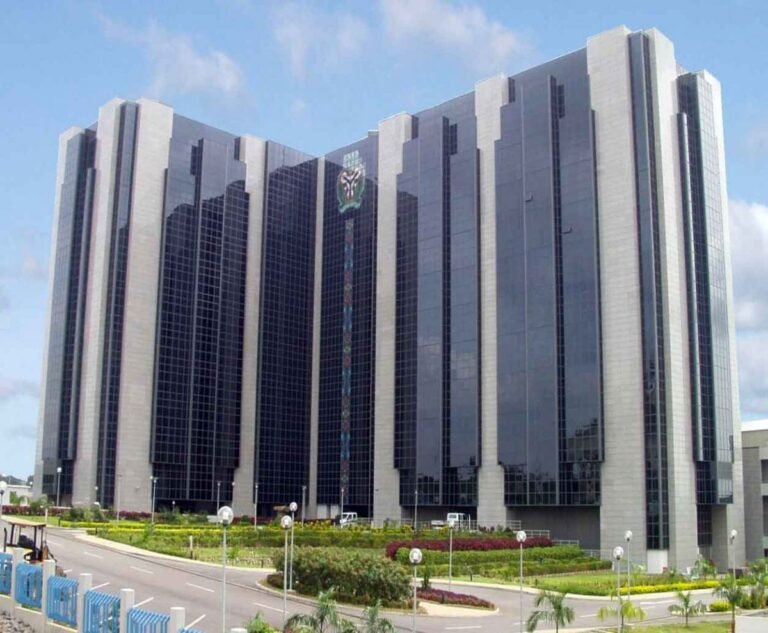
Banking Recapitalisation Resets Competitive Dynamics
Nigeria’s banking system completed a significant capital strengthening phase by the end of March 2026, with 33 banks raising ₦4.65 trillion to meet higher minimum capital standards, according to a Press Statement released by CBN.
Foreign investors contributed about 27.45% of this capital, underlining continued confidence in Nigeria’s financial system.
This recapitalisation exercise puts banks in a stronger position to support credit markets and fintech partnerships while also prompting expectations of industry M&A as smaller players align or exit.
Implication: Fintechs must rethink partnership strategies — stronger banks can be collaborators in credit deployment and embedded finance; they’re also deeper competitors in payments and lending.
Capital Selectivity and Governance Drive Funding
Investors are becoming more selective, prioritising operational discipline and governance over rapid growth:
Nigerian startups raised significant capital in 2025, but funding concentration increased among top fintech players.
Regulatory pilots, including anti‑money‑laundering supervision involving Flutterwave and Paystack, reflect a tighter compliance environment for digital asset and fintech activities.
Implication: Startups that can demonstrate clean governance, compliance maturity, and clear unit economics are more likely to attract institutional capital in 2026.
Payments Infrastructure Continues to Scale
Nigeria’s real‑time payment rails remain one of the strongest in Africa. Nearly 11 billion transactions were handled by the NIP in 2024, a figure that highlights both depth and room for inclusion expansion.
Implication: Instant and interoperable payments remain a core platform advantage, but fintechs must build beyond payment volume into credit, savings, and embedded finance to capture full economic value.

Technology and AI Embed into Risk and Operations
Nigeria’s financial regulators are increasingly pushing fintechs and banks to adopt advanced technology for risk management:
CBN’s AI‑enabled AML initiative highlights that automation and machine learning are no longer optional for compliance systems.
Implication: Tech infrastructure — especially AI for fraud detection and risk monitoring — is essential not only for compliance but for operational resilience and customer trust.
SHORT‑TERM (NEXT 3–6 MONTHS)
Open Banking Readiness: Framework details expected mid‑2026; fintechs and banks must prepare API and data governance infrastructure.
AML Enforcement Surge: Automated compliance systems previously pilot tested will face stronger scrutiny.
Virtual Asset Pilot Outcomes: CBN’s AML and VASP supervision pilot — involving major fintechs — could become a broader regulatory precedent.
MEDIUM TO LONG TERM (1–3 YEARS)
Institutional Scalability: Fintechs that integrate risk systems, build steady revenue streams, and manage regulatory compliance will dominate.
Pan‑African Expansion: Nigerian platforms may increasingly seek regulated acquisition routes into other African markets, replicating strategic models observed in early Q1 expansions.
Infrastructure as Strategic Edge: Deepening connectivity and cross‑platform interoperability will define competitive moats.
STRATEGIC RECOMMENDATIONS
Founders & Startups
Treat compliance systems (AML, KYC, fraud detection) as core infrastructure.
Focus on unit economics and risk management, not only topline growth.
Use Nigeria’s regulatory improvements as a foothold for cross‑border expansion.
Banks & Established Players
Use capital strength to establish partnerships with fintechs for distribution and embedded finance.
Invest ahead of enforcement in advanced compliance and risk systems.
Product & Operations Teams
Build AI‑driven fraud and risk monitoring into product pipelines.
Design for inclusivity, low bandwidth, and interoperability with emerging standards like open banking.
KEY INDICATORS TO WATCH
Open Banking Roadmap Publication (2026)
CBN AML and Compliance Enforcement Intensification
Bank Stress Test Outcomes Post‑Recapitalisation
Virtual Asset Supervision & Compliance Signals
Real‑Time Payments Adoption and Inclusion Metrics